T5.6 DoF
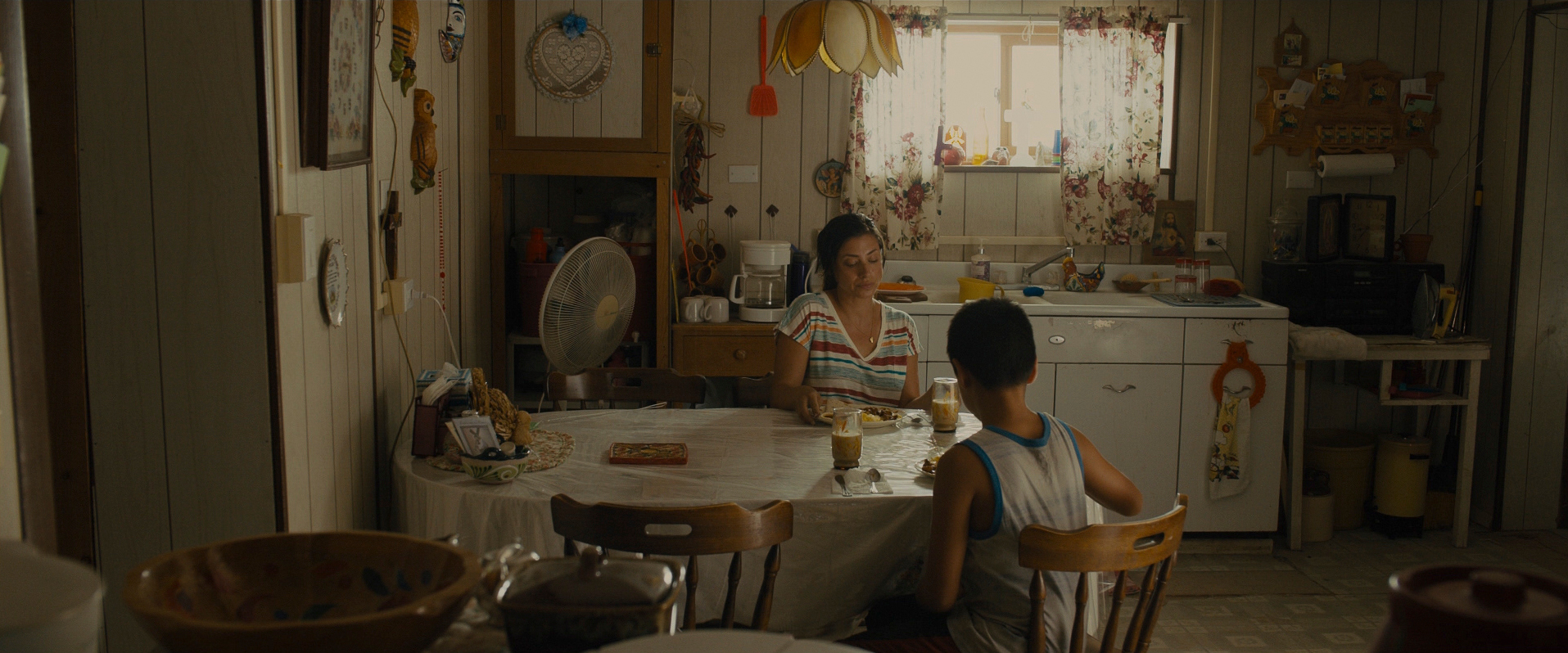
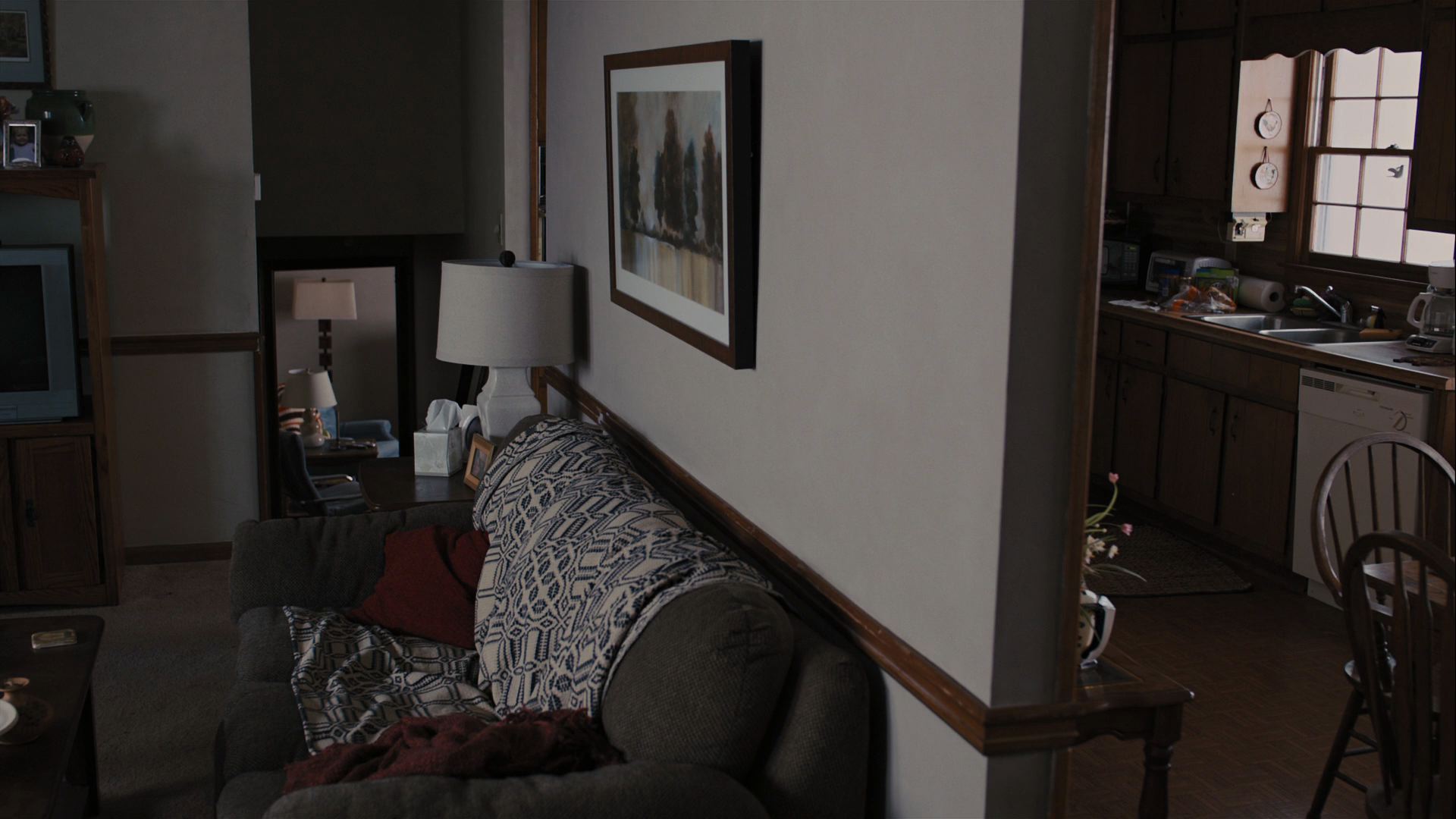
deeper depth of field, as a choice. when the frame asks for both the character and their surroundings to speak.
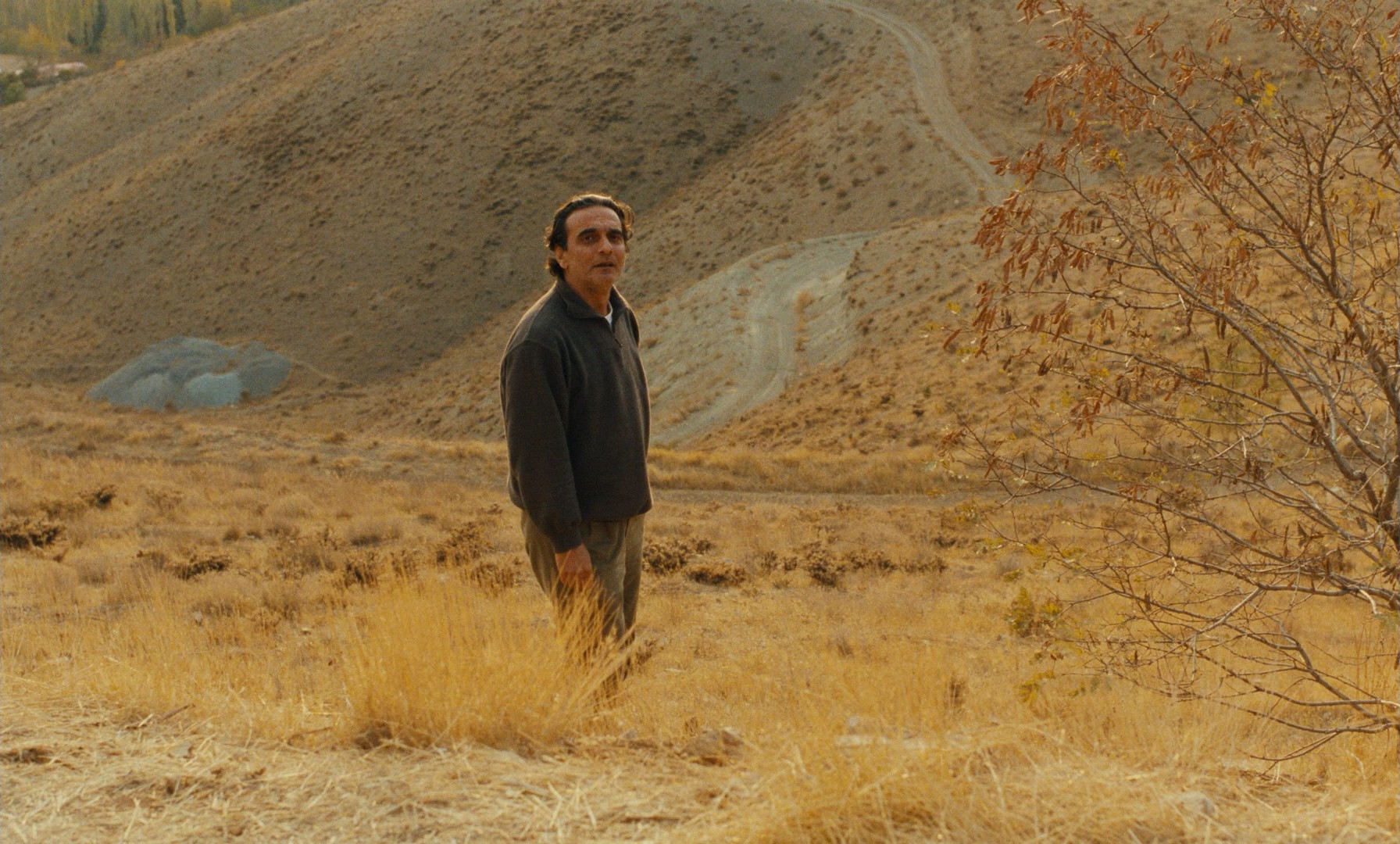
there’s something honest
about a deeper depth of field.
it lets the world live with the character,
forces the frame to hold more truth,
no soft blur to hide behind,
just the full context, present and visible.
that’s why i keep coming back to the T5.6 DoF,
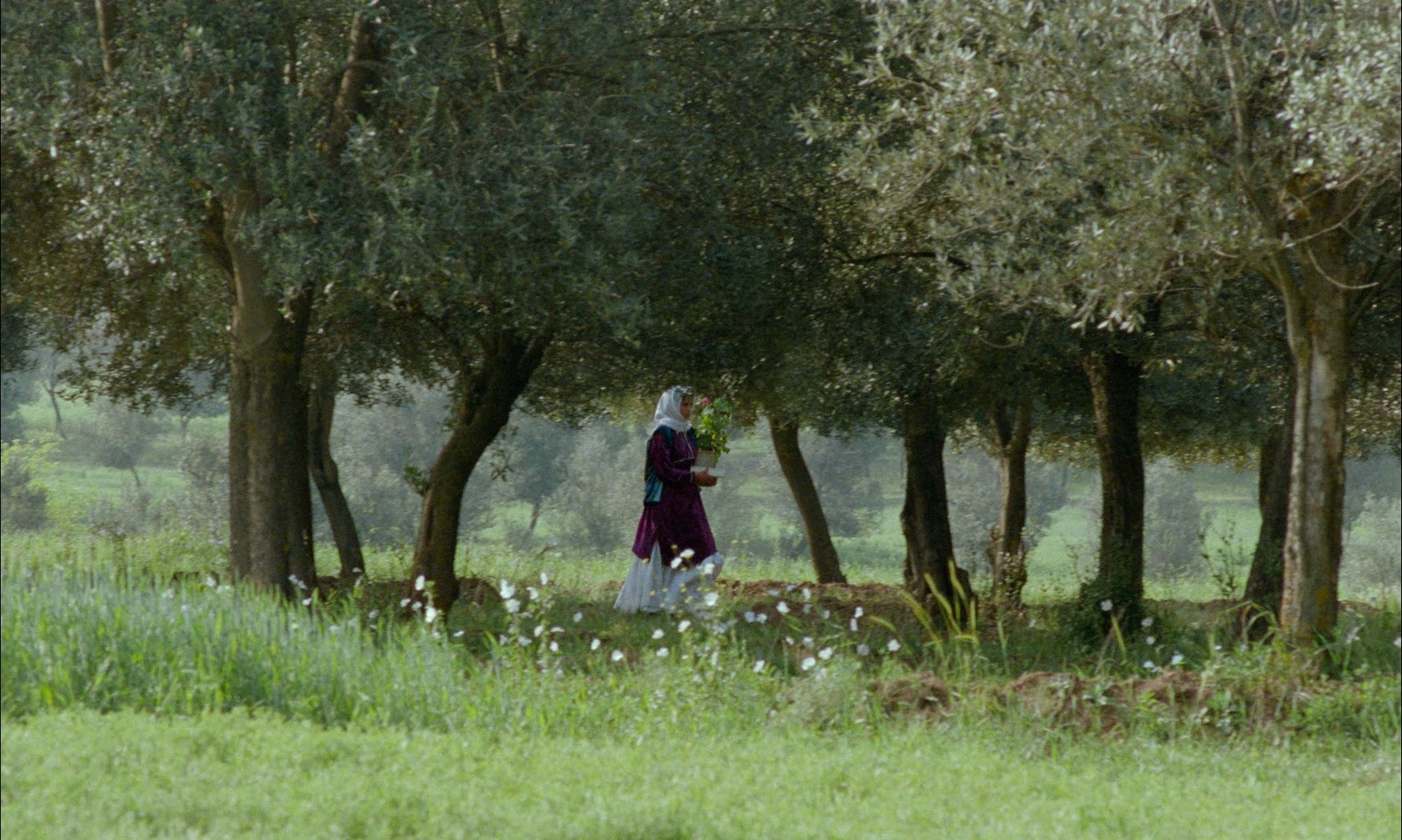
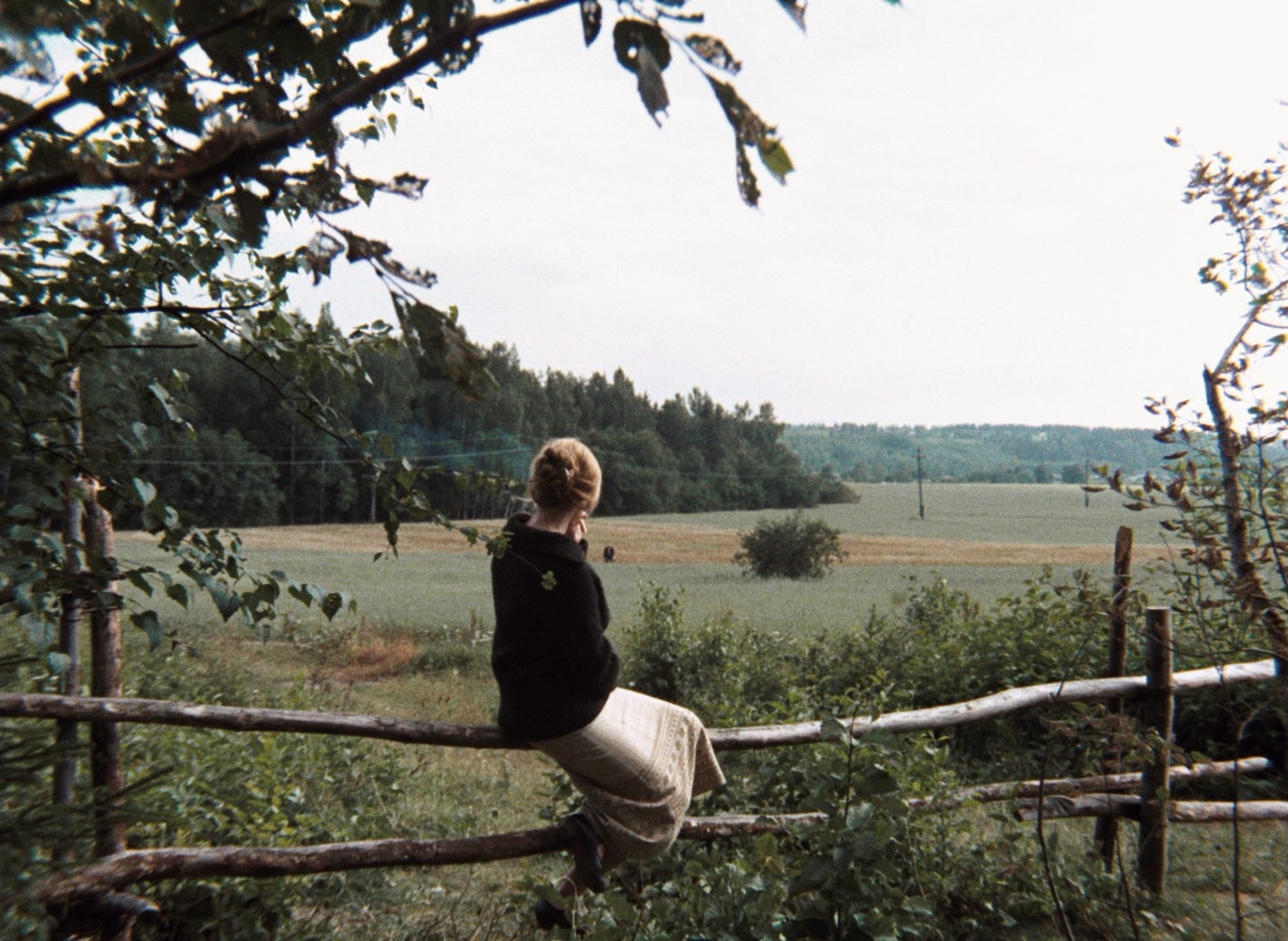
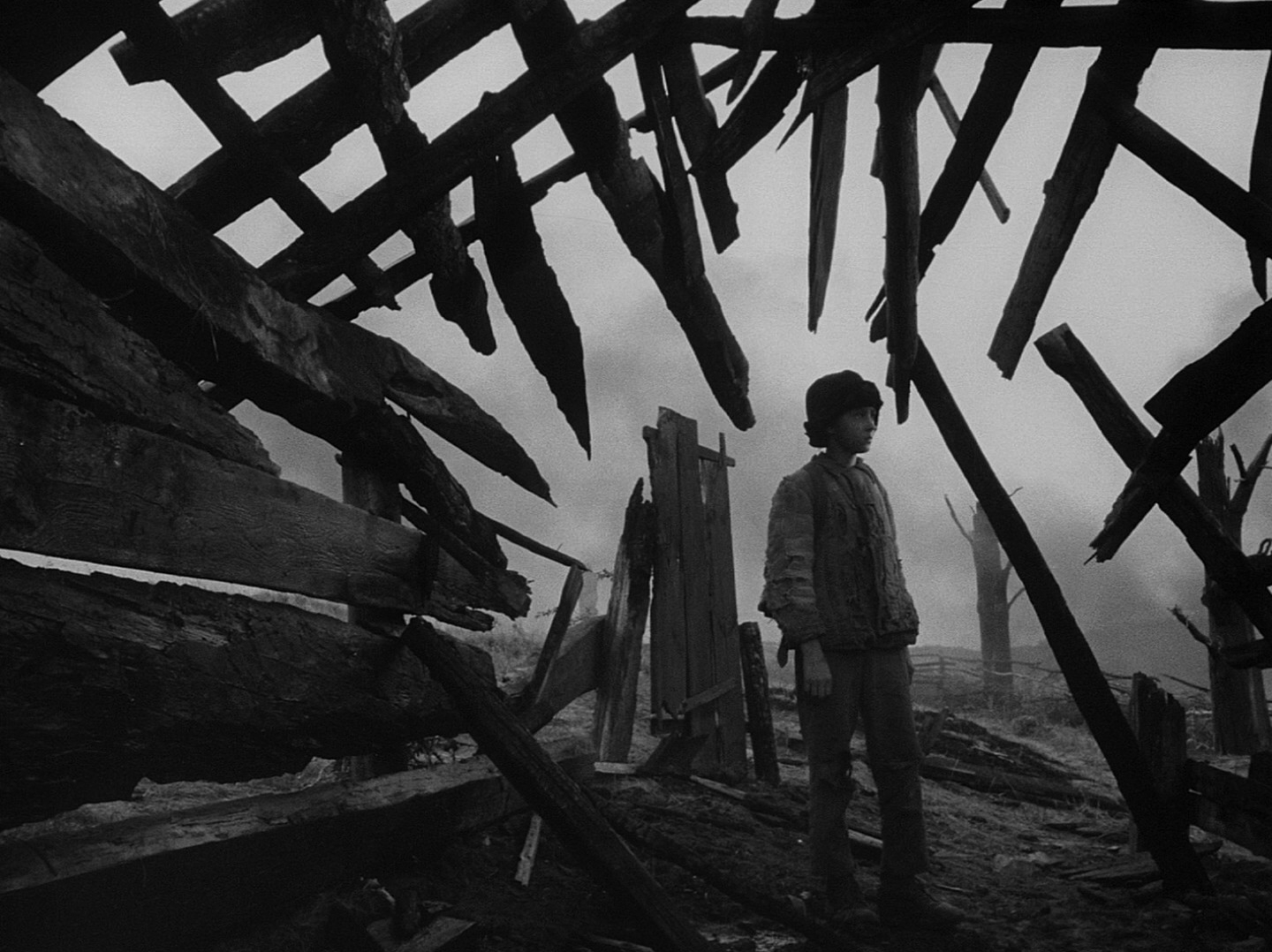
especially in a medium-wide,
where the space around the subject
becomes part of the story.
some frames feel deeper than others,
and when it’s right,
the surroundings breathe with the character,
giving the image a quiet balance.
just to clarify, this is about the exact T5.6.
can be a 4.0, or a 8.0
not as a rule by any means, but as a choice.
it is when the frame asks
for both the character and their surroundings
to speak.
in day exteriors, it helps establish the space,
letting the world around them
be part of the story.
in interiors, it becomes even more noticeable,
especially when you block with care,
placing actors and objects
in layers the eye can explore.
even in multi-cam setups,
you light for the T5.6 medium-wide,
then give the T2.8 closeup a .6 ND
just to keep a gentler separation in the closeups.
the number is technical,
but the choice is about that middle detail
that quietly locks the image into a precise,
timeless film look.
references
- Mirror , 1975 · dp Georgi Rerberg · dir Andrei Tarkovsky
- Ivan's Childhood , 1962 · dp Vadim Yusov · dir Andrei Tarkovsky
- Through the Olive Trees , 1994 · dp Hossein Jafarian · dir Abbas Kiarostami
- Taste of Cherry , 1997 · dp Homayun Payvar · dir Abbas Kiarostami
- Sicario , 2015 · dp Roger Deakins · dir Denis Villeneuve
- Prisoners , 2013 · dp Roger Deakins · dir Denis Villeneuve